Cervical Cancer Awareness · Vaccination Campaign Launched

Cervical cancer is one of the most preventable cancers — let’s end it together.

Almost all cervical cancers are caused by HPV, and almost all can be prevented through vaccination and regular screening. Know the facts, understand India’s national programme, and take the next step for the women you love.

THE BASICS

What is
Cervical Cancer?

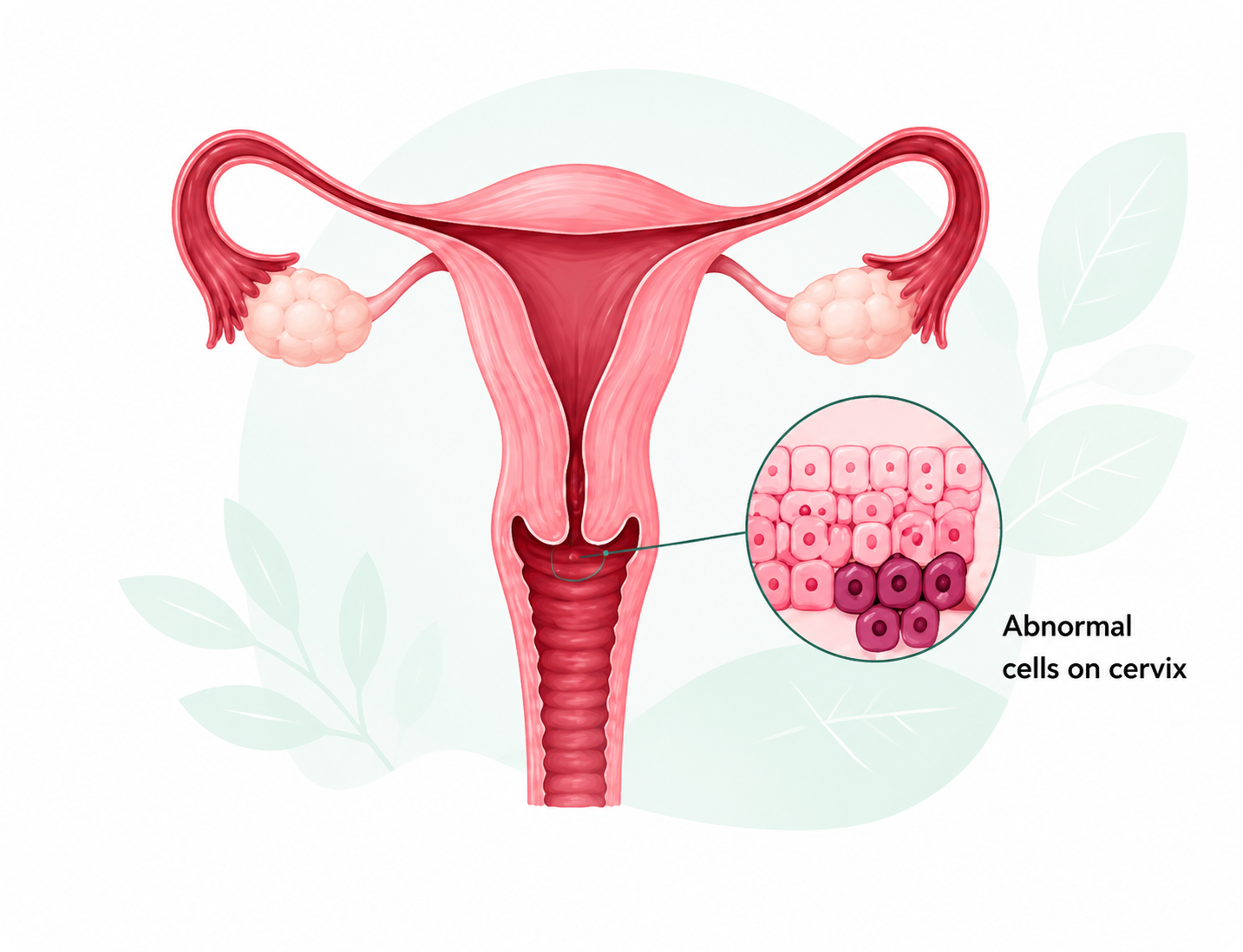
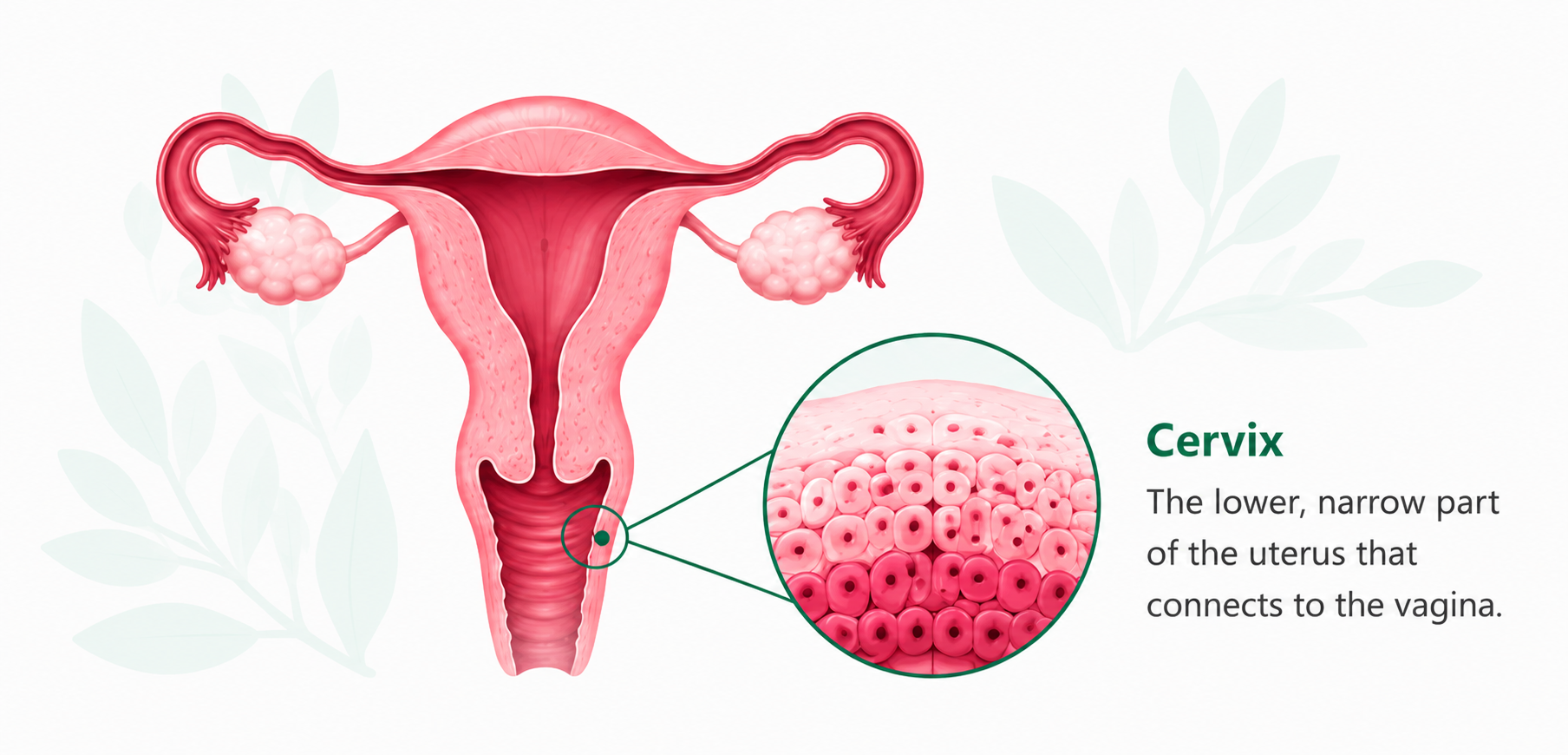
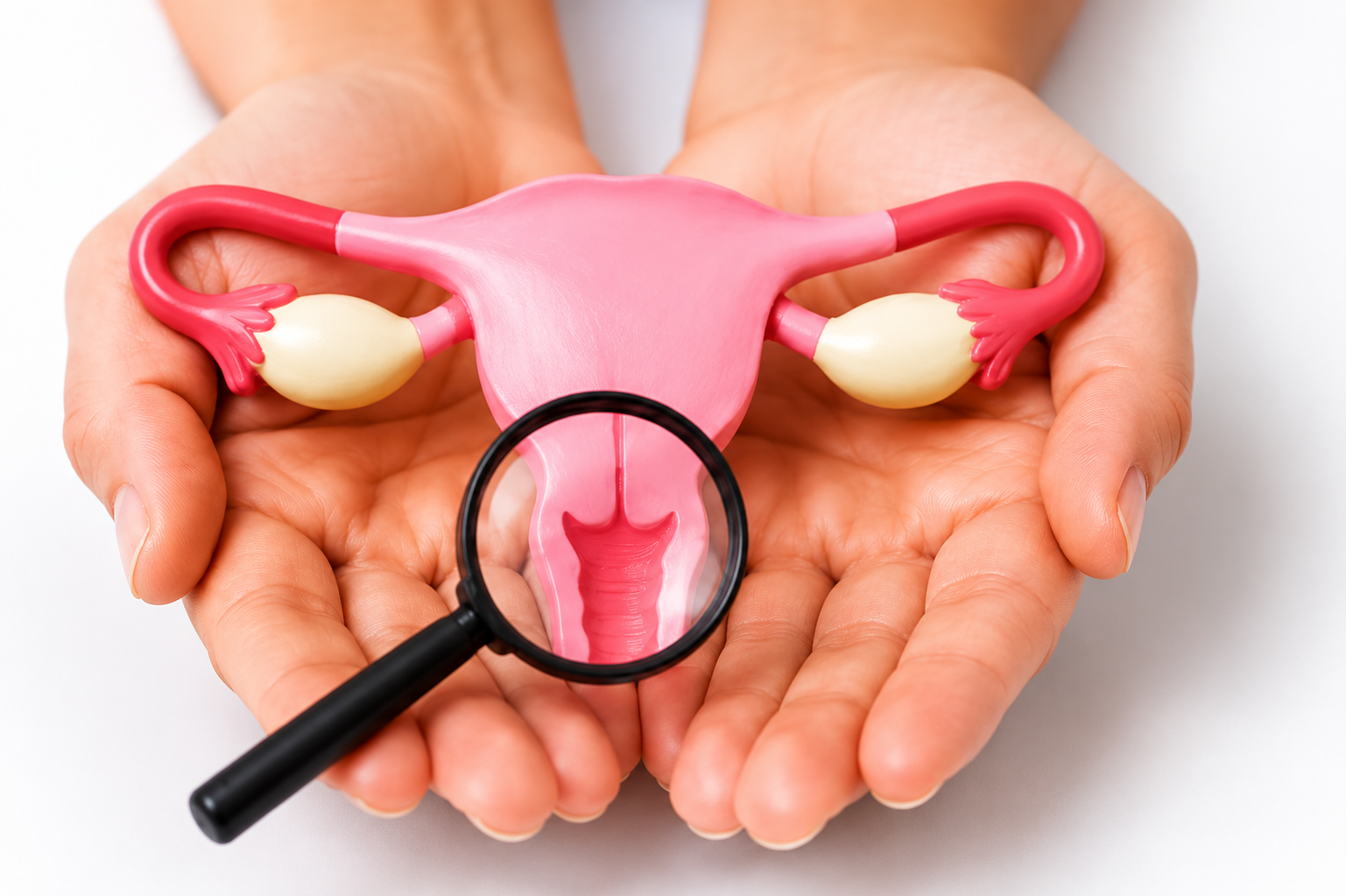
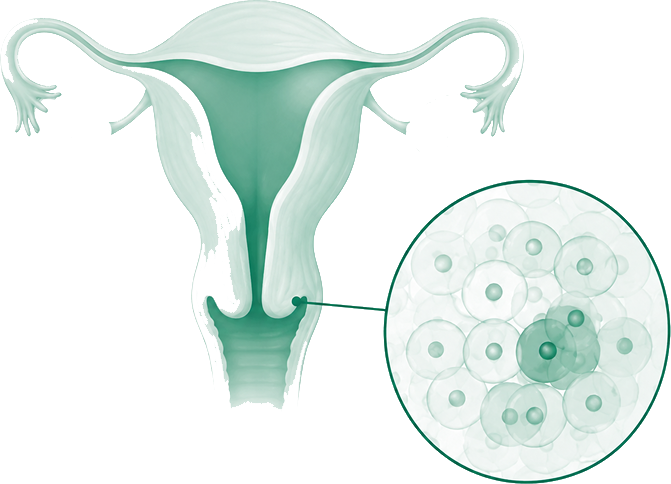
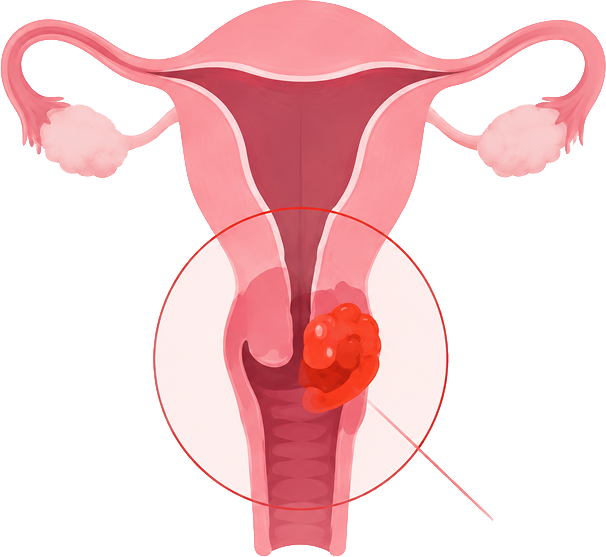
Cervical cancer begins in the cervix — the lower, narrow part of the uterus (womb) that connects to the vagina. It happens when cells in the cervix begin to grow out of control. The good news: because it grows slowly and has clear warning signs under a microscope, it is one of the most preventable and, when caught early, most treatable cancers.

Medical illustration of the uterus with a magnified view showing abnormal cells on the cervix
01
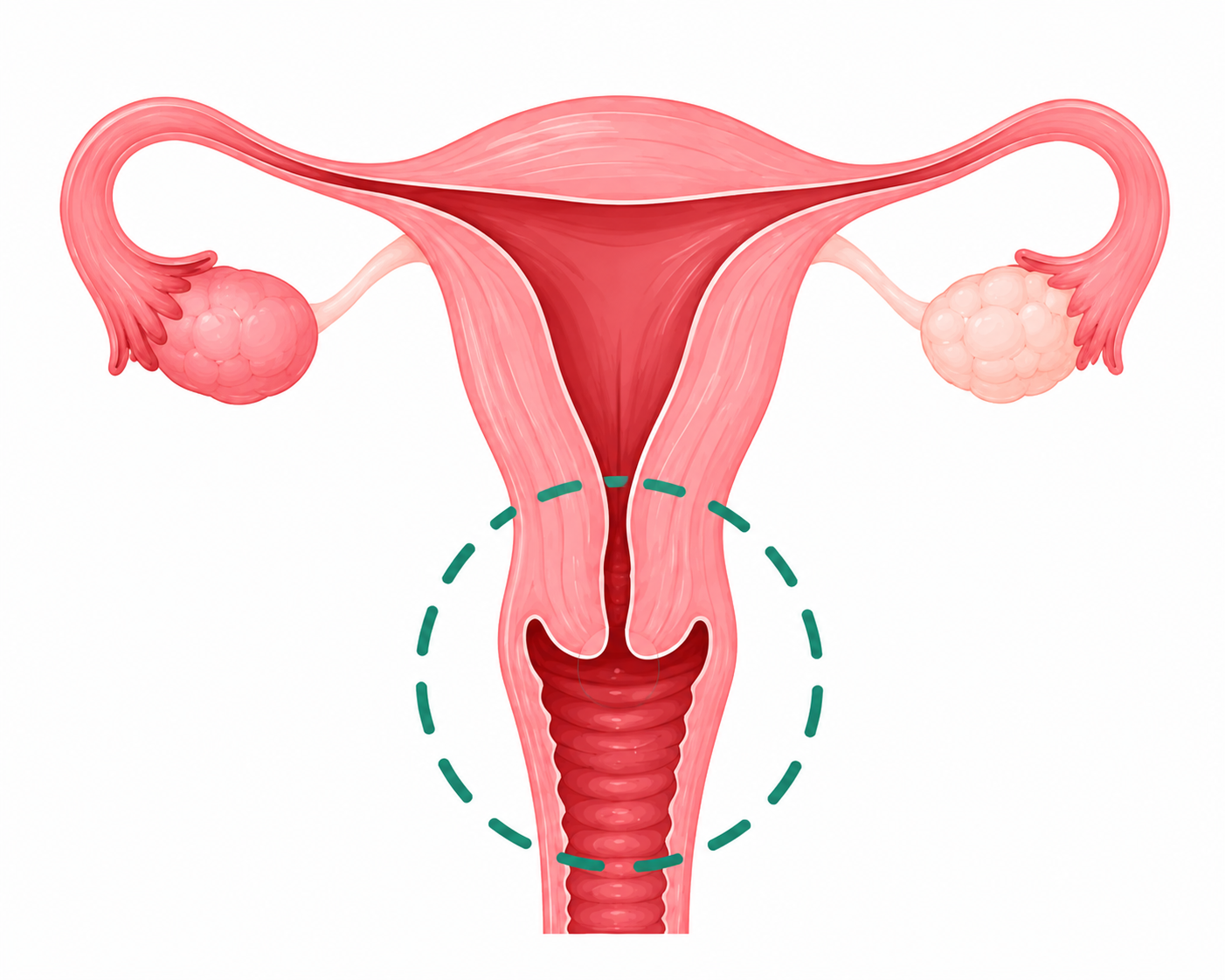
Illustration of the uterus highlighting where cervical cancer forms

Where it forms

In the cervix — the “gateway” between the uterus and the vagina. Changes usually begin in the surface cells lining the cervix.

02
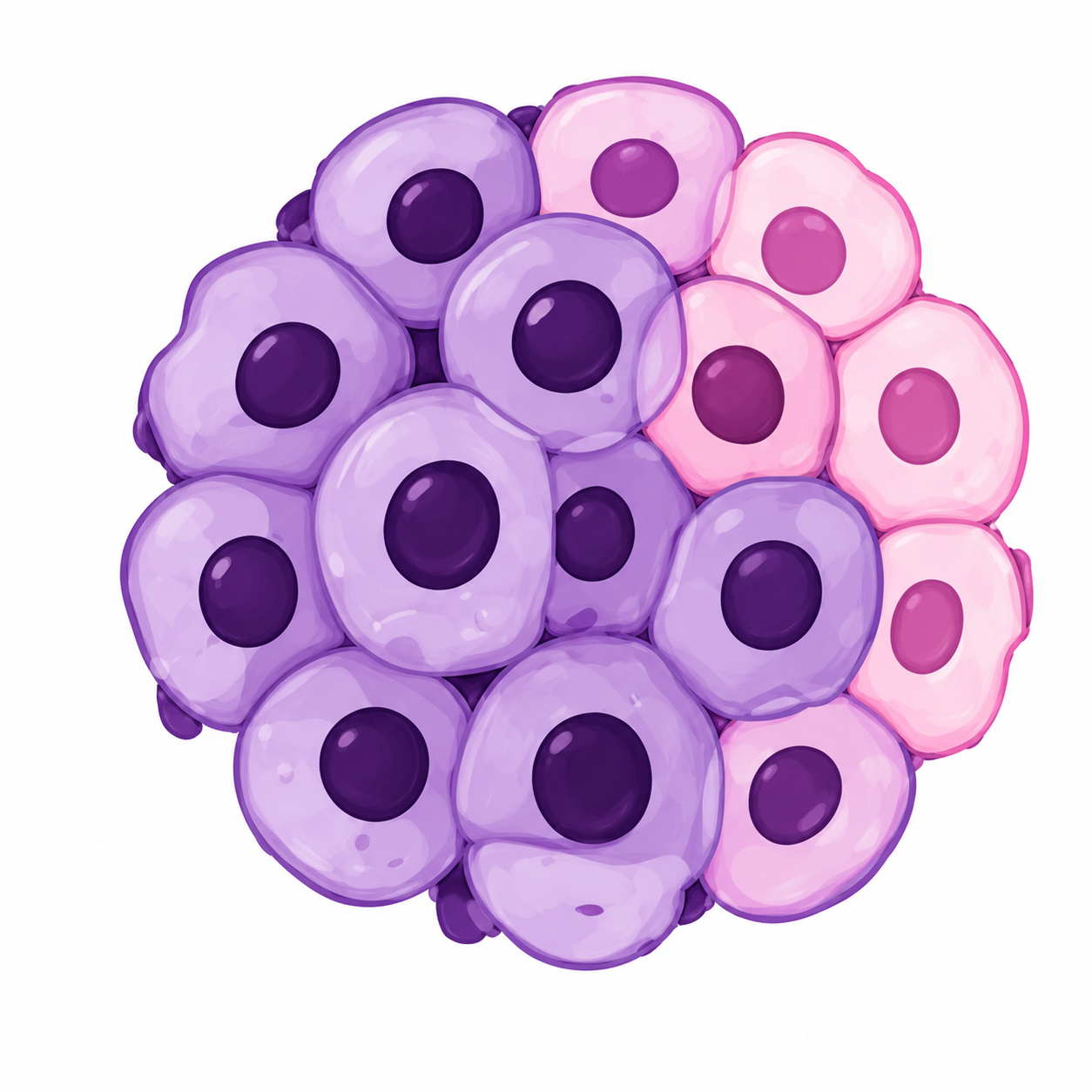
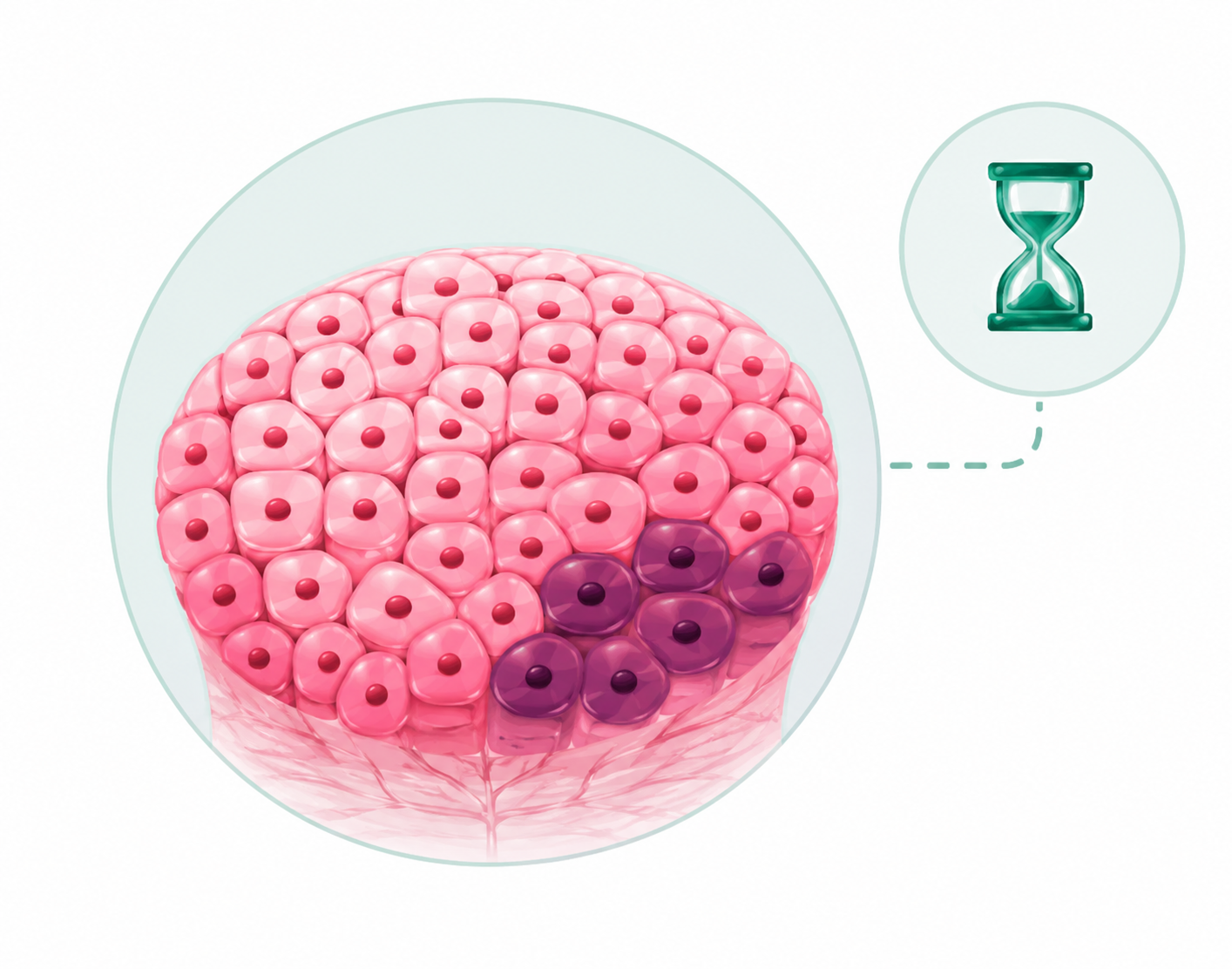
Microscopic illustration of abnormal squamous cells in cervical cancer

Main type

Squamous cell carcinoma makes up most cases (up to ~90%); adenocarcinoma starts in the inner glandular cells.

03
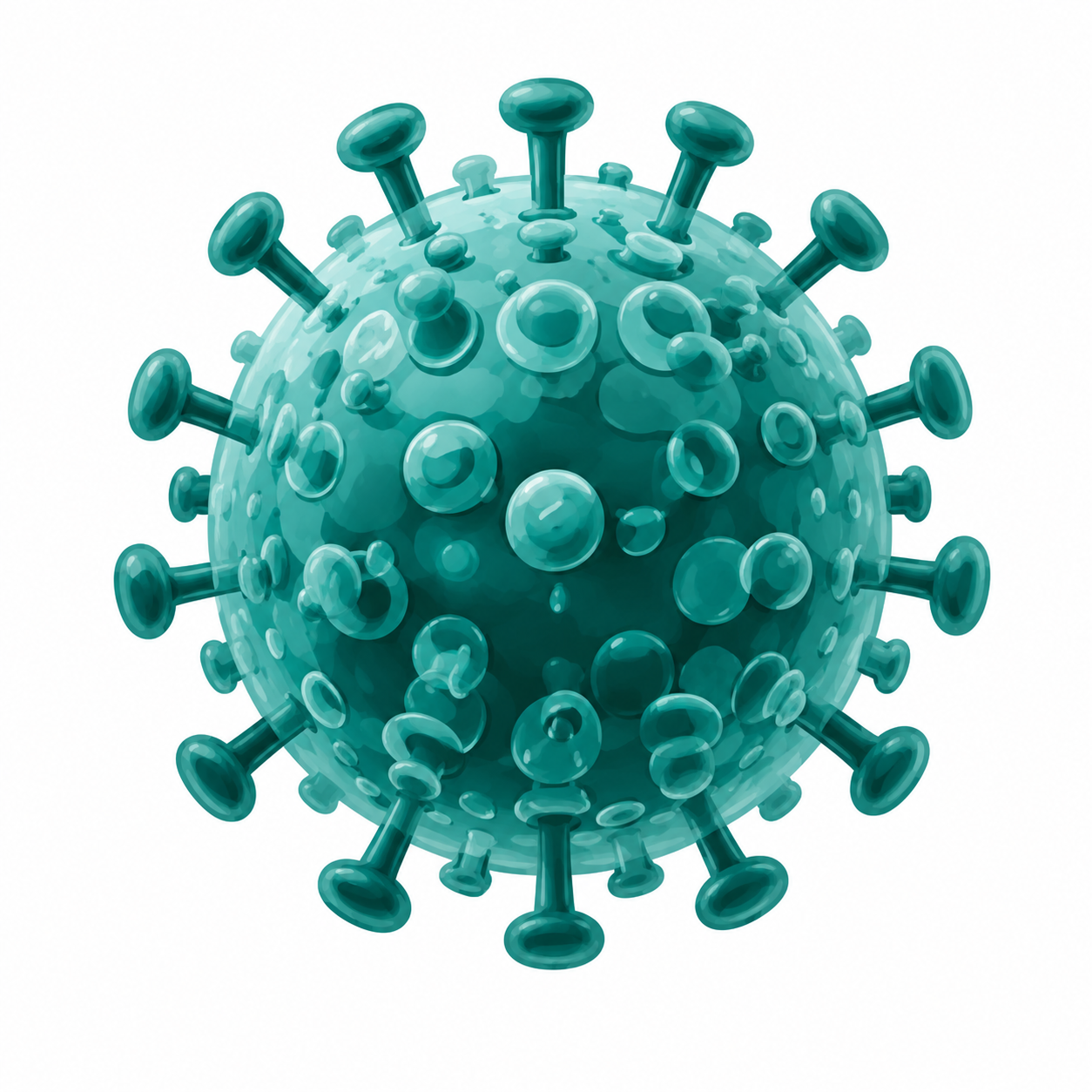
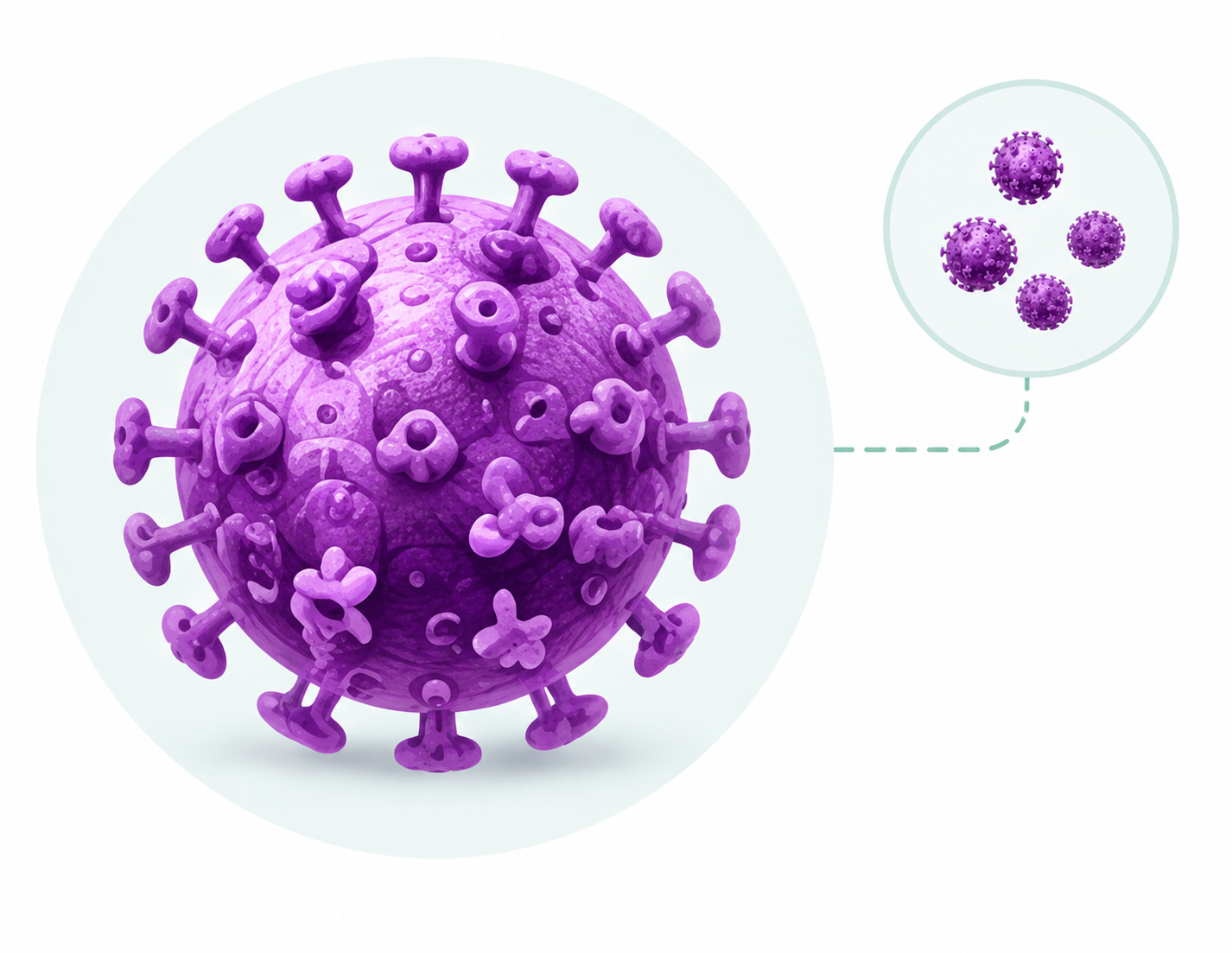
3D illustration of the HPV virus

The cause

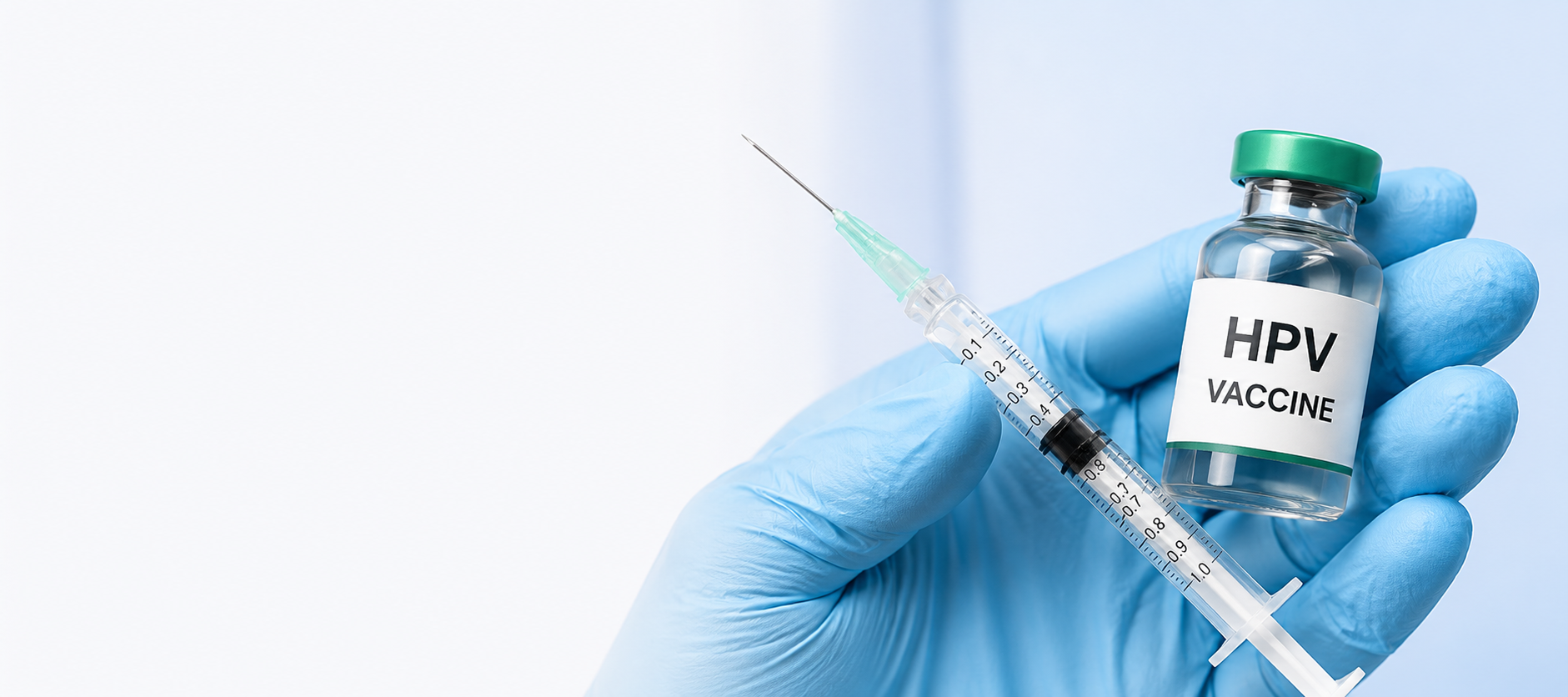
Almost all cases are caused by long-lasting infection with high-risk HPV — making it the only cancer that a vaccine can prevent.

HPV vaccine illustration

The good news

Regular screening, HPV vaccination, and early treatment can prevent most cervical cancers.

HPV vaccine illustration
How it starts

From a common infection to cancer — over many years

Cervical cancer does not appear overnight. It usually takes 15–20 years for abnormal cells to slowly turn into cancer (faster — about 5–10 years — in women with weak immunity, such as untreated HIV). That long window is exactly why screening works: it catches the warning changes long before cancer forms.

Cervix — the lower part of the uterus that connects to the vagina.

HPV infection

A high-risk HPV type infects the cervix, usually through sexual contact. In most women, immunity clears it within ~2 years with no harm.

0 – 2 years

Persistent infection

In some women the high-risk infection does not clear and lingers for years — this is what drives the risk.

2 – 10 years
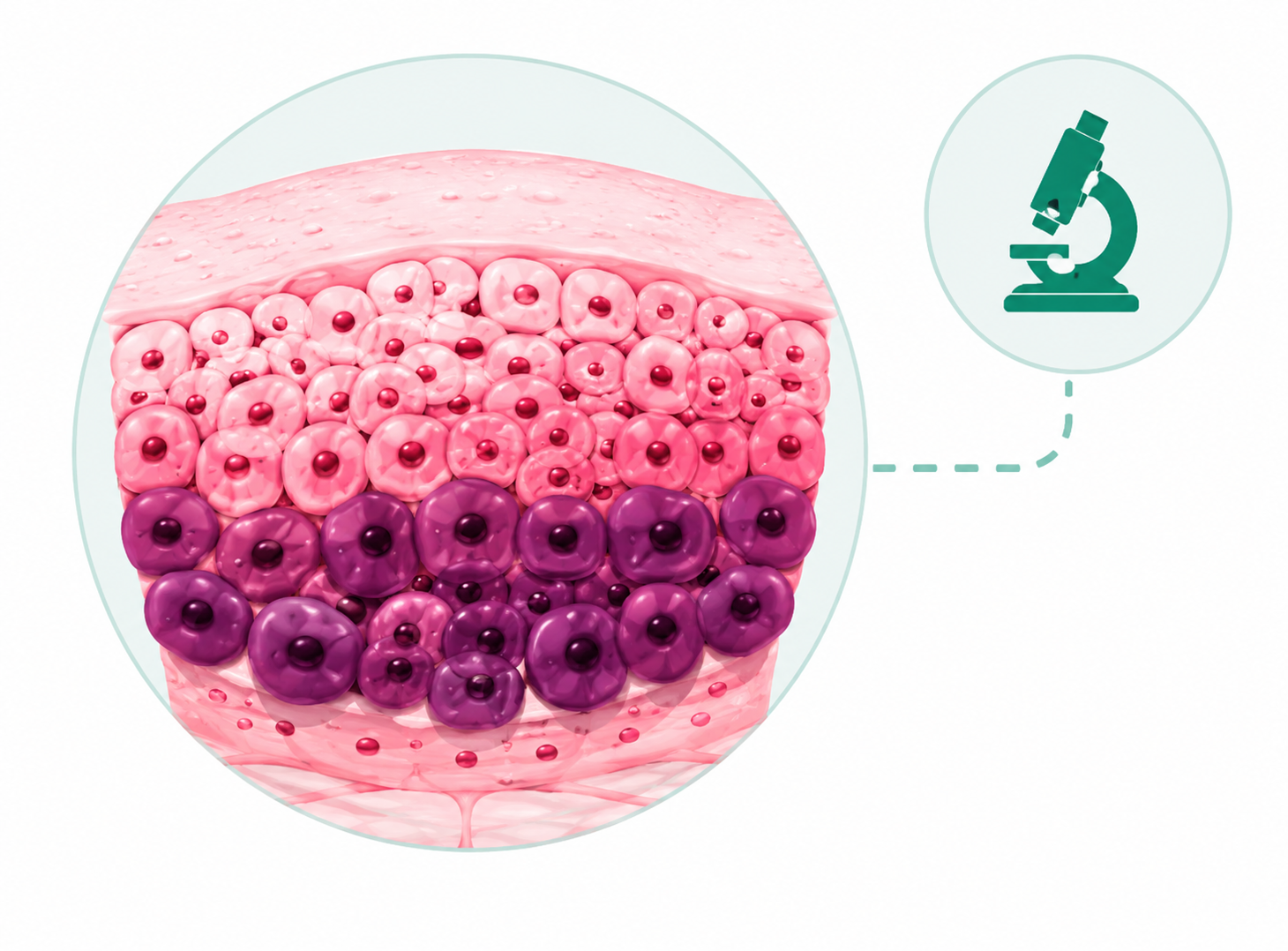
Pre-cancer (dysplasia)

Cells start to change abnormally but are not yet cancer. These changes are picked up by a Pap smear — and can be simply treated.

10 – 15 years
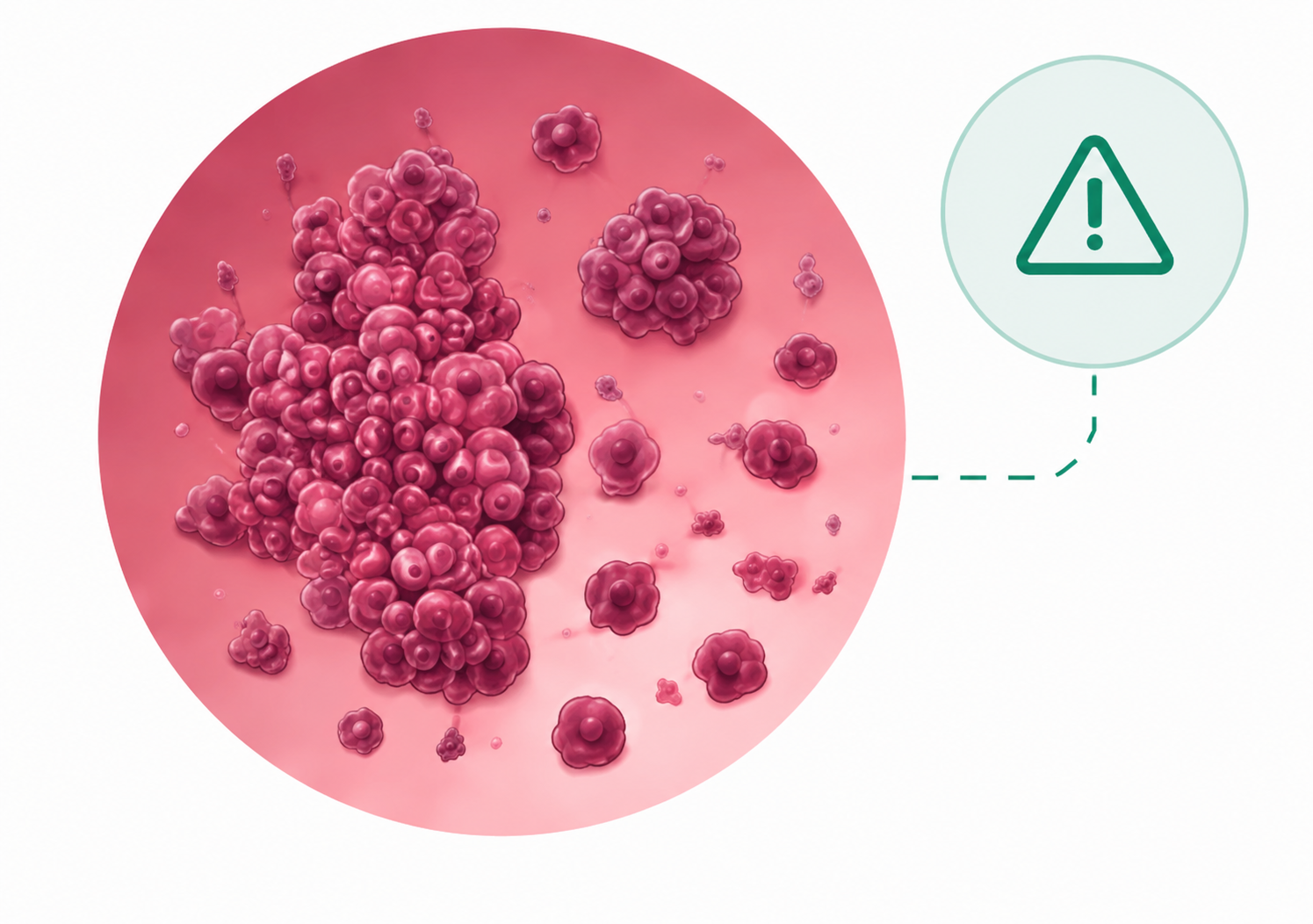
Cervical cancer

If pre-cancer is not found and treated, abnormal cells can become cancer and grow into deeper tissue over time.

15 – 20+ years
Source: WHO & National Cancer Institute (NCI). See references.

Who & when

Who is at risk, and which ages matter

Any woman with a cervix can develop cervical cancer, but some factors increase the risk. It occurs most often in women over the age of 30 — which is why screening is advised from then on, while vaccination is given much earlier, before exposure.
Higher-risk factors

  • Long-lasting high-risk HPV infection
  • Smoking
  • Weak immunity (e.g., untreated HIV)
  • Unprotected sex / multiple partners
  • Never having a Pap smear or HPV test
  • Starting sexual activity at a very young age

Which ages matter most

  1. 9–14 yrs: best age for the HPV vaccine — before exposure
  2. 15–26 yrs: catch-up vaccination if not done earlier
  3. 30+ yrs: begin regular screening (Pap / HPV DNA)
  4. 30–65 yrs: the years cervical cancer is most common — keep screening

The good news: Cervical cancer is preventable.
HPV vaccination, healthy choices, and regular screening can save lives.
IF SOMETHING IS FOUND

How cervical cancer is treated

Treatment depends on the stage, cell type, and your personal health. When caught early, cervical cancer is highly treatable and many women go on to live long, healthy lives.


Doctor consulting with a female patient about cervical cancer treatment options
Pre-cancer illustration

Pre-cancer (early treatment)

Abnormal cells can be removed before they turn into cancer — simple, safe, and effective.
  • Cryotherapy: Freeze abnormal cells
  • LEEP / LLETZ: Remove abnormal tissue using a thin wire loop
  • Cone biopsy: Remove a cone-shaped piece of tissue
  • Close follow-up
Illustration of early cervical cancer cells in the cervix
Invasive cancer illustration

Invasive cancer

Treatment depends on the stage. It’s planned by a specialist team to give the best outcome.
  • Surgery: To remove the cancer
  • Radiotherapy: High-energy rays to kill cancer cells
  • Chemotherapy: Medicines that kill cancer cells
  • Targeted therapy: Drugs that target specific genes or proteins
  • Immunotherapy: Helps your immune system fight cancer
Illustration of advanced cervical cancer spread in the uterus
Every woman's journey is unique

Every woman’s journey is unique. Your doctor will recommend the right treatment for you.

Early detection makes all the difference.

Figures & Facts

The numbers India can’t ignore

Worldwide, cervical cancer caused around 660,000 new cases and 350,000 deaths in 2022 (WHO). In India it is the second most common cancer among women — yet it is one of the most preventable. These figures are drawn from WHO, GLOBOCAN 2022 and Government of India (PIB) public health sources.

2nd
most common cancer among women in India.
Source: GLOBOCAN 2022 / PIB
1.2lakh+
new cases and nearly 80,000 deaths in India every year.
Source: GLOBOCAN 2022
25%
of the world’s cervical cancer deaths occur in India — 1 in 5 patients globally is Indian.
Source: WHO / PIB
80%+
of India’s cases are caused by high-risk HPV types 16 & 18.
Source: PIB
93–100%
effectiveness of a Gardasil-4 dose against the HPV types it covers.
Source: PIB, 2026
1.15crore
girls aged 14 to be vaccinated free under India’s 2026 campaign.
Source: PIB, Feb 2026
Three ways to protect

Prevention works —
and it’s within reach

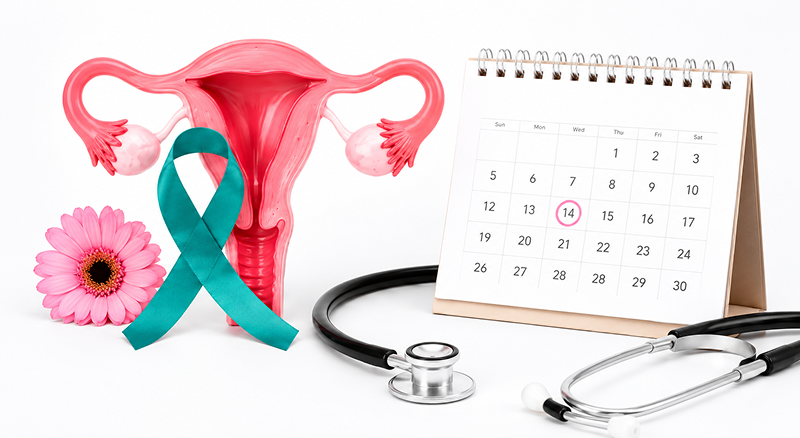
Cervical cancer can be almost completely prevented when caught in time. It rests on three simple steps — each one saves lives.
1. Vaccinate

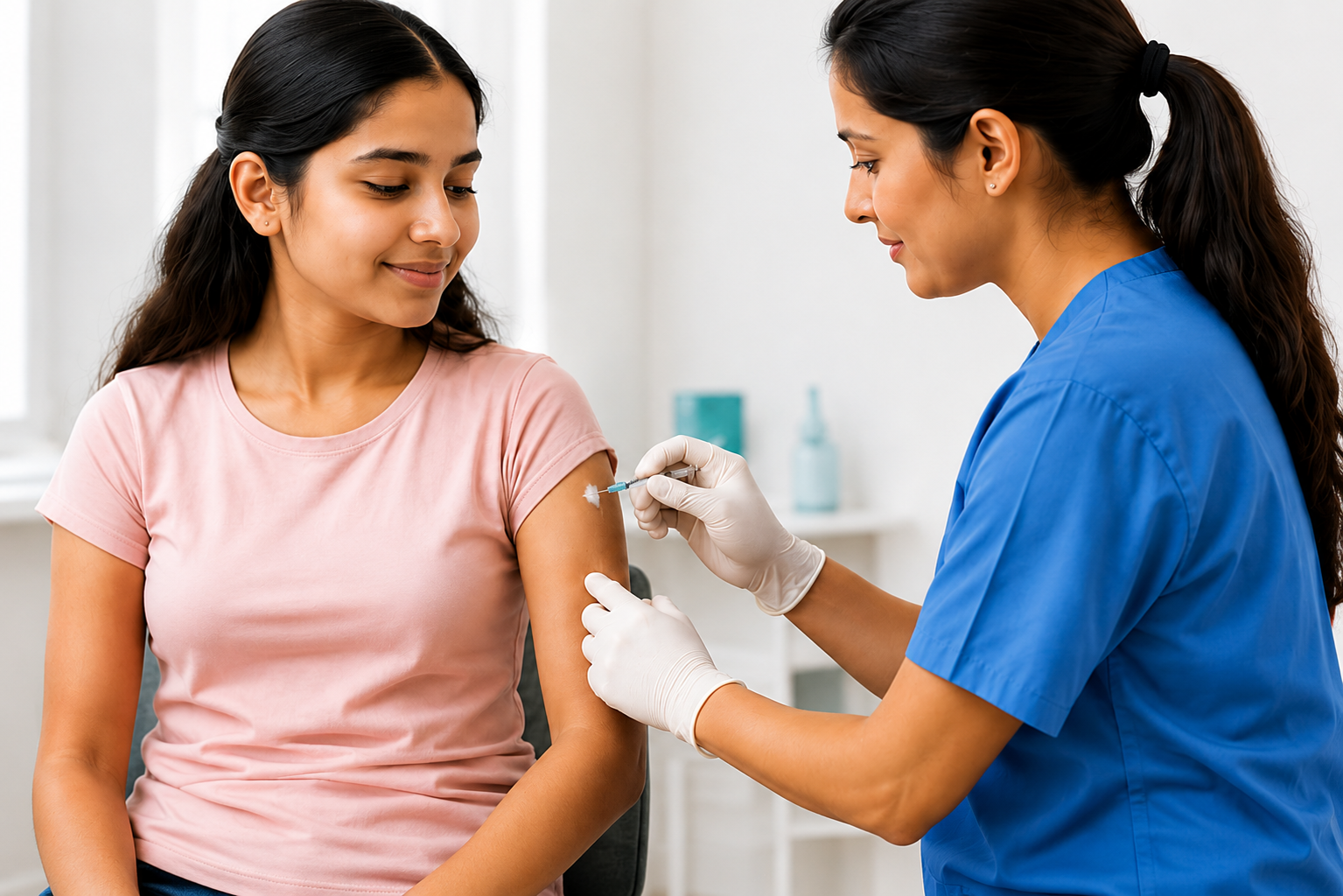
The HPV vaccine protects against the virus types that cause most cervical cancers. It is most effective when given before sexual activity begins — girls aged 9–14 need just 2 doses.

2. Screen

A Pap smear (every 3 years) or HPV DNA test (every 5 years) from age 30 detects abnormal cells years before cancer forms — even after vaccination.

3. Treat early

When changes are found early, treatment is simple and highly effective. Don’t wait for symptoms — by then, the disease may be advanced.

Vaccinate illustration Remember:
A healthy tomorrow starts today.
Tests & screening

The tests that
catch it early

Screening can find abnormal cells many years before cancer develops. These are the tests used in India — simple, quick, and far cheaper than treating advanced disease.

Pap smear

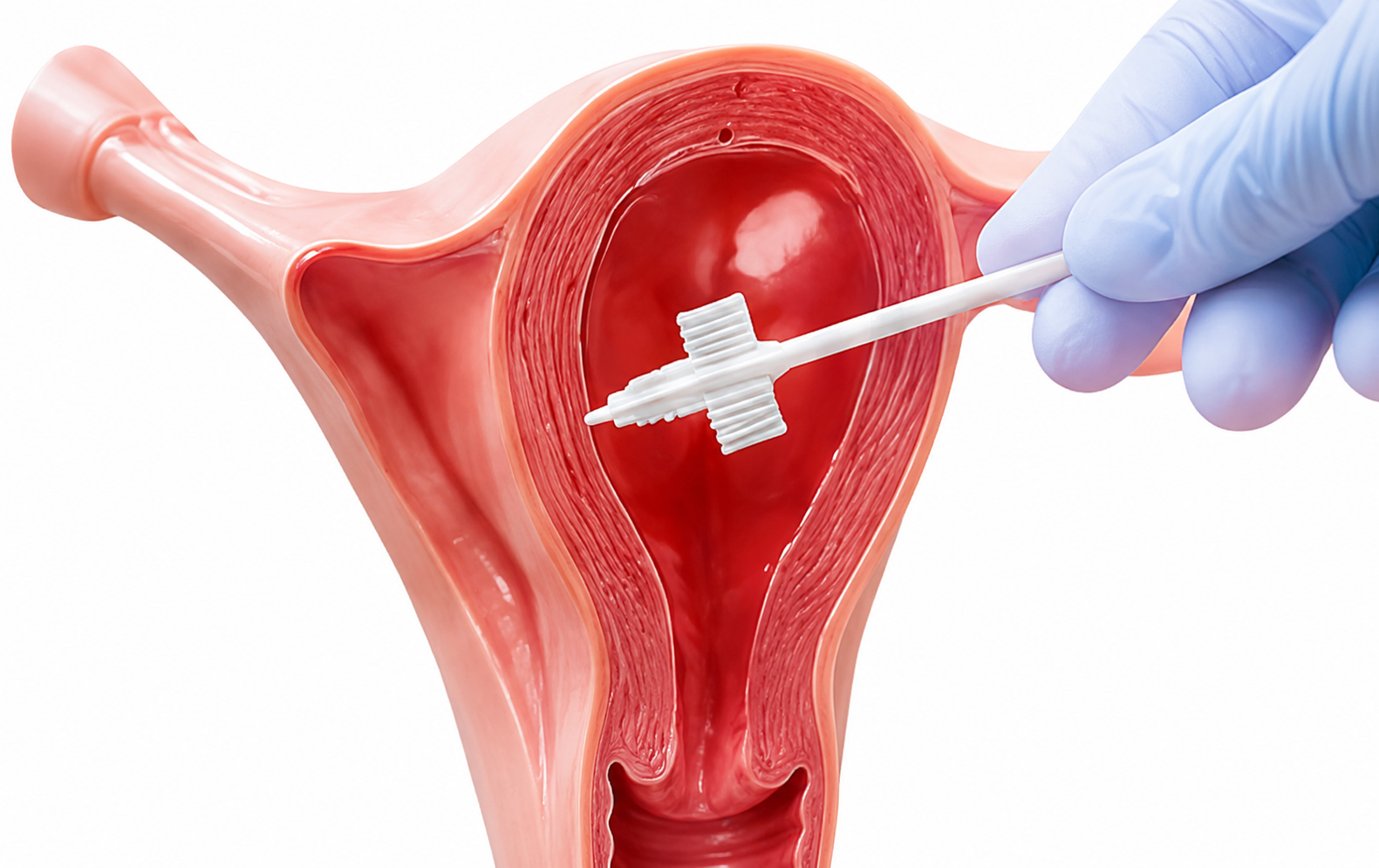
A gynecologist gently collects a few cells from the cervix with a small brush (5–10 minutes). It’s painless — only mild discomfort for a few seconds — and finds early abnormal changes. From age 30, every 3 years.
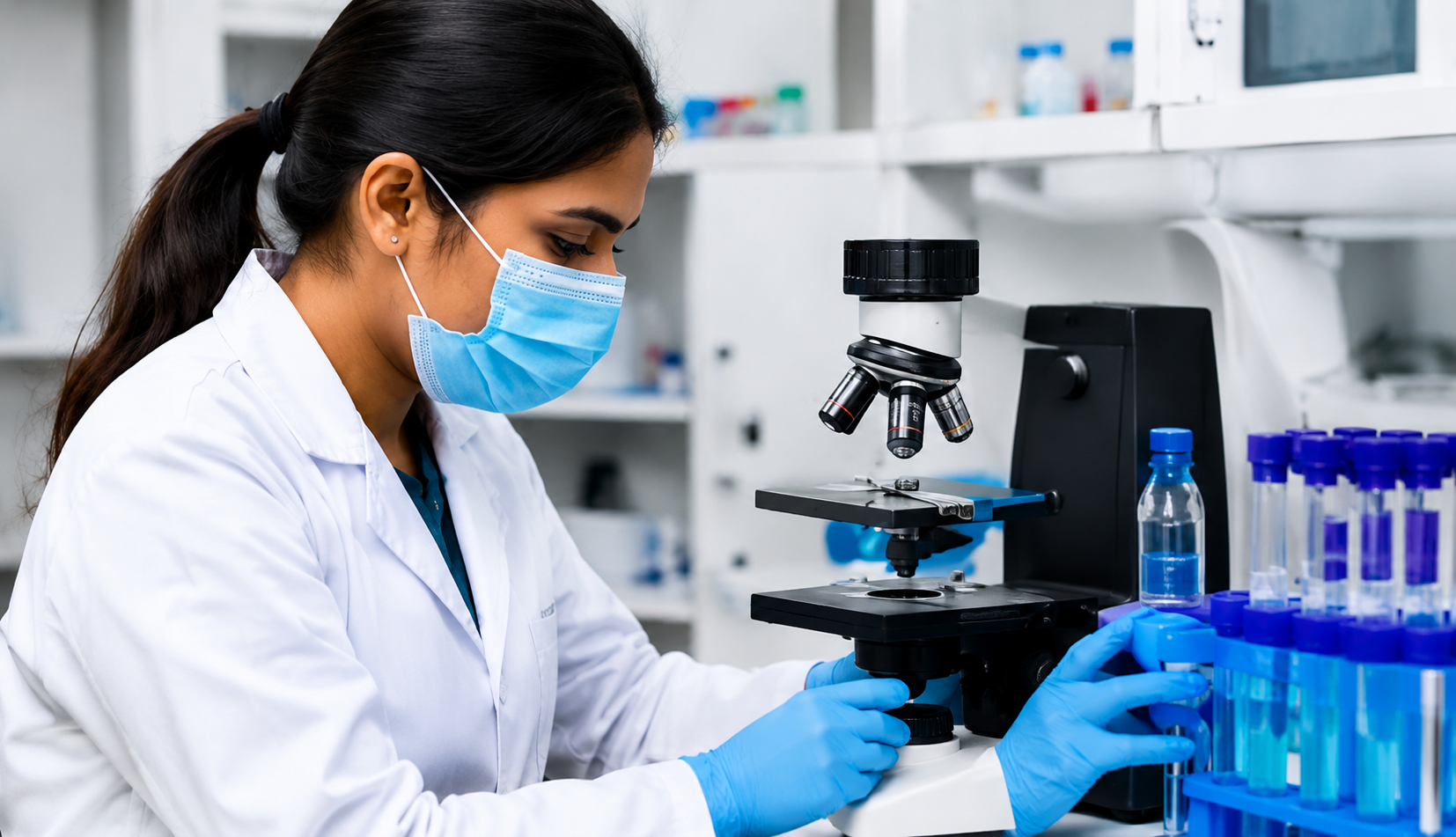
Liquid Based Cytology (LBC)

An advanced version of the Pap smear where cells are preserved in a liquid for clearer lab analysis — often giving more reliable results.
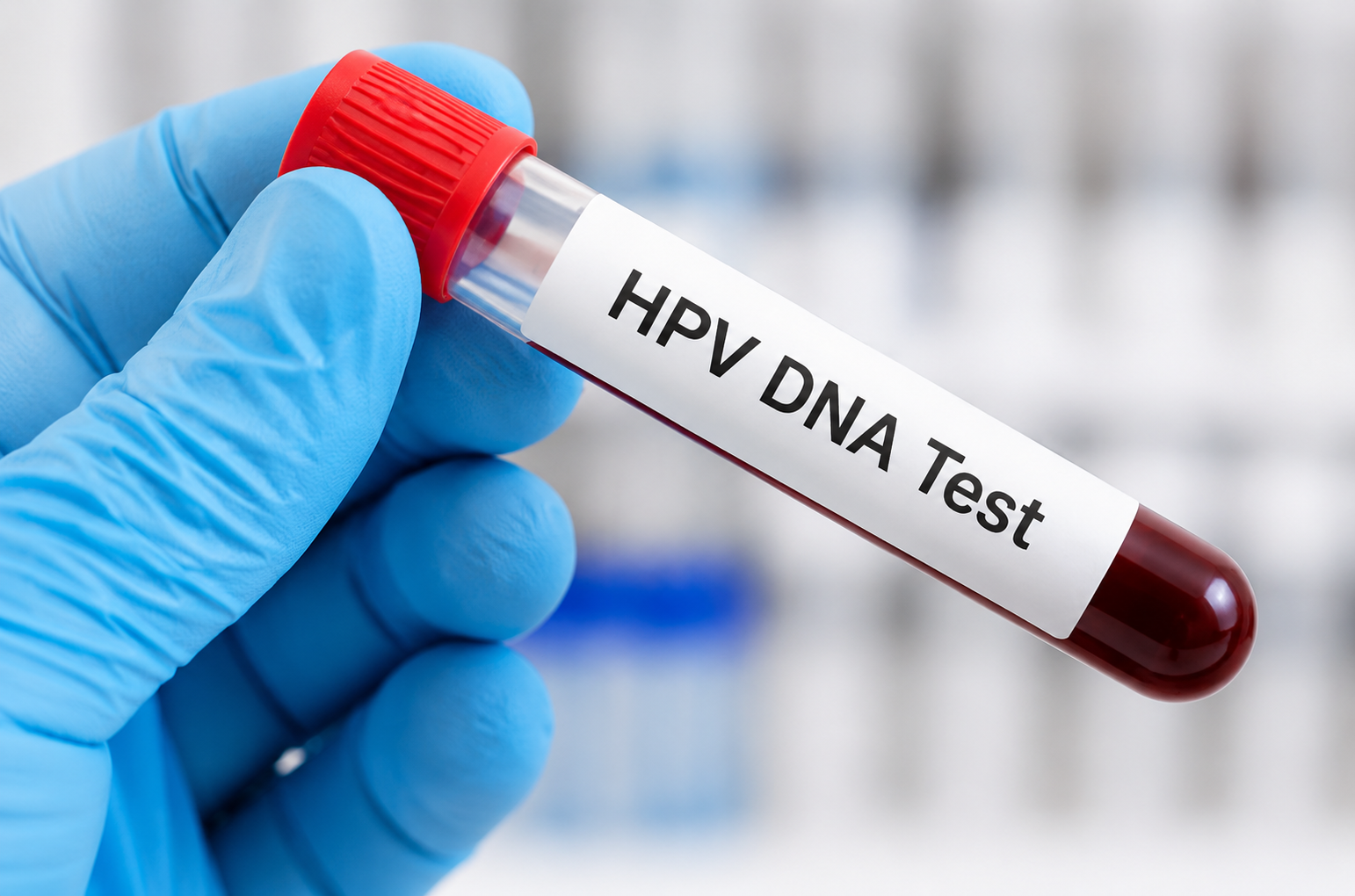
HPV DNA test

Detects the high-risk HPV virus itself before it has caused cell changes. From age 30, every 5 years is an option instead of a 3-yearly Pap smear.

Approximate cost in India

Pap smear image

Pap Smear

Starts from

₹500
Pap smear image

Liquid Based Cytology (LBC)

Starts from

₹1,200
Pap smear image

Pap + HPV DNA Test

Starts from

₹2,000

Available at private hospitals, gynecologist clinics, reputed laboratories, and government / civil hospitals. Prices are indicative and vary by city, lab and package — please confirm with your provider.

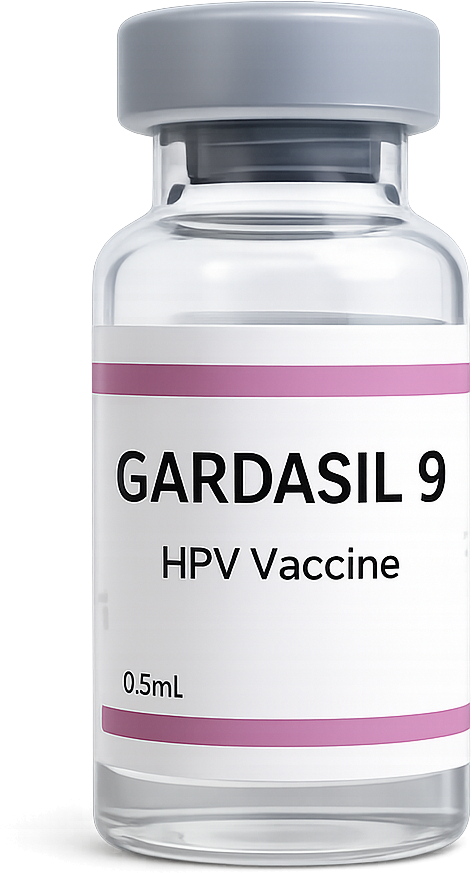
HPV vaccines icon HPV vaccines available in India

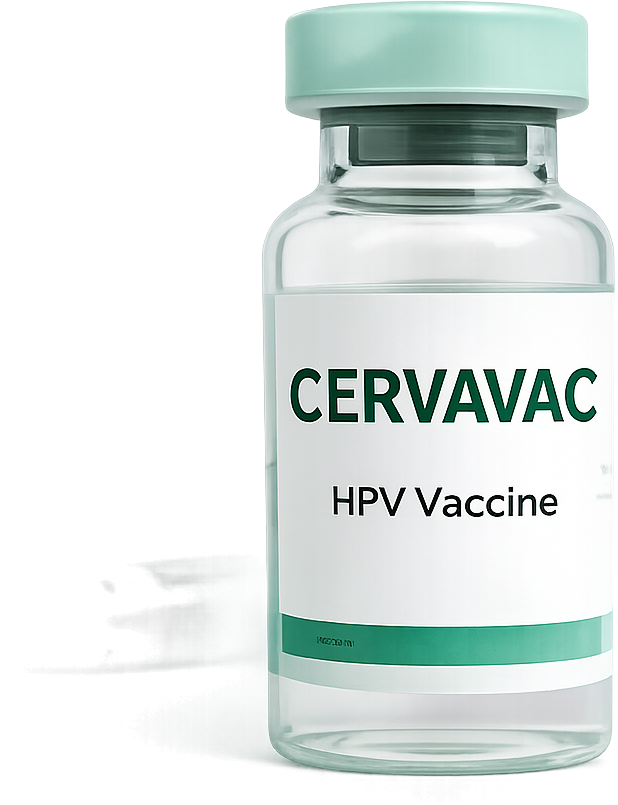
Cervavac

4 HPV types
Starts from ~₹1,500 / dose
Made in India by Serum Institute

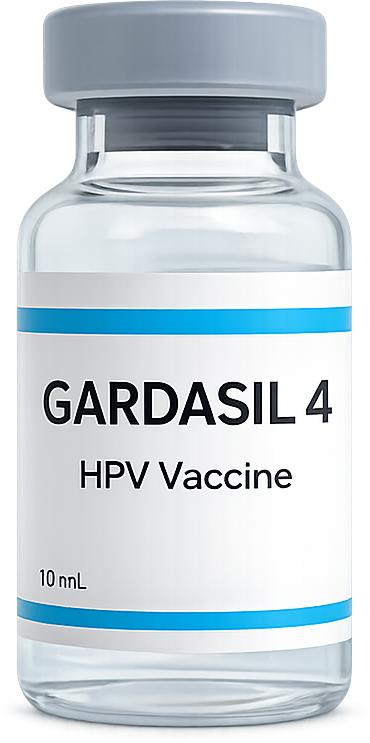
Gardasil 4

4 HPV types
Starts from ~₹3,500 / dose
Used free in the 2026 govt. campaign

Gardasil 9

9 HPV types
Starts from ~₹9,000 / dose
Broadest protection

Prices are indicative and vary by city or clinic. Under India’s 2026 government campaign, Gardasil-4 is given free to 14-year-old girls at government health facilities.

Age-wise prevention schedule icon Age-wise prevention schedule

Age-wise prevention schedule icon

9–14 years

HPV vaccine
(best protection)

Age-wise prevention schedule icon

15–26 years

Catch-up
HPV vaccine

Age-wise prevention schedule icon

27–45 years

HPV vaccine on
doctor’s advice

Age-wise prevention schedule icon

30–65 years

Pap smear every 3 years /
HPV DNA test every 5 years

Age-wise prevention schedule icon

After 65 years

Screening may stop if last 10 years reports were normal

HPV vaccination works best before sexual activity begins. Even after vaccination, regular Pap smears remain important. It should not be taken during pregnancy.

Prevention today icon Prevention today, protection for life
Book your screening
Government of India

Cervical Cancer Vaccination Campaign launched

On 28 February 2026, the Prime Minister launched a nationwide HPV Vaccination Programme at Ajmer, Rajasthan — providing the Gardasil-4 vaccine free of cost to about 1.15 crore girls aged 14 across all States and UTs, in line with the vision of “Swasth Nari, Sashakt Parivar”.
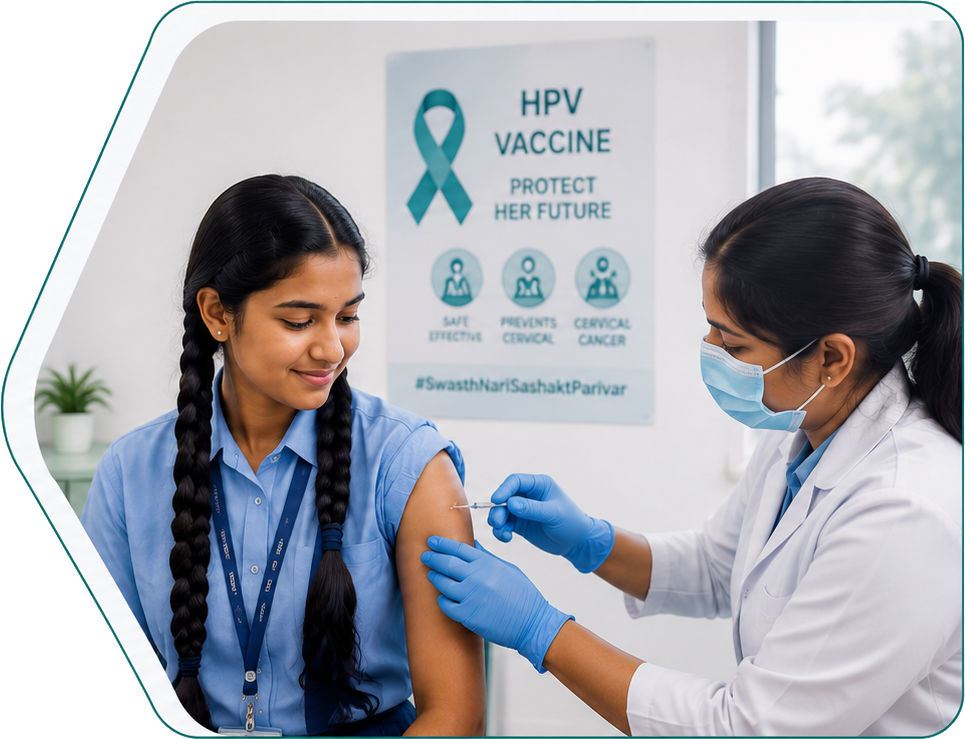
What the campaign means for you

Free vaccine for 14-year-old girls

Gardasil-4 is given free at government health facilities. Girls turning 15 within 90 days of launch are also eligible during the intensive three-month drive.

Easy registration

Self-register on the U-WIN platform, get pre-registered by a health worker, or simply walk in. Vaccination certificates are downloadable from U-WIN.

Safe & supervised

Given only at facilities with a cold-chain point and a medical officer; each girl is observed for 30 minutes after the dose. Sessions usually run 9 AM–2 PM. Don’t go on an empty stomach.

World-class backing

Procured in partnership with GAVI, the Vaccine Alliance; logistics tracked via eVIN. India now joins 160+ countries with HPV vaccination in their national immunisation schedule.

The global goal icon

The global goal — WHO “90-70-90” by 2030: India’s 2026 campaign is a major step toward this elimination target.

90% of girls fully vaccinated against HPV by age 15

70% of women screened with a high-performance test by ages 35 and 45

90% of women with cervical disease receiving treatment

Source: Press Information Bureau (PIB), Government of India — Cervical Cancer Vaccination Campaign, 28 February 2026; WHO; GLOBOCAN 2022.

01 What is cervical cancer and what causes it?
Cervical cancer forms in the cervix — the lower part of the uterus that connects to the vagina. Its main cause is persistent infection with the Human Papillomavirus (HPV), the most common sexually transmitted infection. HPV is extremely common — by age 50 most women will have had it at some point — and in most people the body’s immunity clears it on its own, usually within about two years. Only when a high-risk infection stays for many years can it slowly turn into cancer. High-risk types 16 and 18 alone account for more than 80% of cervical cancer cases in India.
02 How common is cervical cancer in India?
It is the second most common cancer among Indian women, with over 1,20,000 new cases and nearly 80,000 deaths every year (GLOBOCAN 2022). India accounts for about 25% of the world’s cervical cancer deaths — one in every five women globally who suffers from cervical cancer is from India. Yet it is the only cancer that can be prevented by a vaccine if given in time.
03 Can cervical cancer be prevented?
Yes — it is one of the most preventable cancers. Prevention rests on three steps: (1) the HPV vaccine, ideally given to girls aged 9–14 before any exposure; (2) regular screening (Pap smear or HPV DNA test) from age 30, which finds abnormal cells before they ever become cancer; and (3) treating any pre-cancerous changes early. Together, vaccination plus screening can prevent the large majority of cases.
04 How long does cervical cancer take to develop?
It develops slowly. According to the WHO, it usually takes 15–20 years for abnormal cells to turn into cancer (about 5–10 years in women with weakened immunity, such as untreated HIV). This long window is exactly why screening works so well — a Pap smear or HPV test can catch the warning changes many years before cancer forms, when they are easy to treat.
05 What are the early warning signs?
In the early stage there are usually no symptoms — which is why screening matters. As it progresses you may notice: bleeding between periods, bleeding after intercourse, bleeding after menopause, foul-smelling or unusual vaginal discharge, persistent pelvic (lower abdomen) pain, pain during intercourse, or back/leg pain. As the disease advances, signs can include swelling in the legs, and unexplained weight loss, fatigue or loss of appetite. These signs are not proof of cancer, but if you notice any of them, see a gynecologist immediately.
06 Who is at higher risk?
Risk is higher with: HPV infection, smoking, long-standing HPV infection, weak immunity, never getting a Pap smear or HPV test, unprotected sex, and starting sexual activity at a very young age.
07 How is cervical cancer treated, and can it be cured?
Yes — when found early, cervical cancer is highly treatable with good long-term survival. Pre-cancerous changes caught by screening are usually removed in a simple day procedure (such as cryotherapy/thermal ablation, LEEP/LLETZ, or a cone biopsy) before they ever become cancer. If invasive cancer has formed, a specialist team plans treatment based on the stage — this may involve surgery, radiotherapy, chemotherapy, and newer targeted or immunotherapy, along with supportive care. The earlier it is caught, the simpler and more effective the treatment.
08 What screening tests are available, and do they hurt?
The main tests are the Pap smear (finds early abnormal cell changes in the cervix), Liquid Based Cytology (LBC), and the HPV DNA test (detects the virus itself). A Pap smear is done by a gynecologist in about 5–10 minutes using a small brush to collect a few cells from the cervix, which are then checked in a lab. It does not hurt — you may feel only mild discomfort for a few seconds. These tests can spot abnormal cells many years before cancer develops.
09 What is India’s HPV Vaccination Campaign launched in 2026?
On 28 February 2026, the Prime Minister launched a nationwide HPV Vaccination Programme at Ajmer, Rajasthan. It offers the Gardasil-4 vaccine free of cost at government facilities to about 1.15 crore girls aged 14 across all States and UTs (girls turning 15 within 90 days of launch are also eligible). A single dose of Gardasil-4 is 93–100% effective against the HPV types that cause cervical cancer. With this, India joins over 160 countries with HPV vaccination in their national immunisation schedules.
10 If I have had the HPV vaccine, do I still need screening?
Yes — this is very important. The HPV vaccine does not cover every cancer-causing HPV type, so regular Pap smears or HPV DNA tests are still needed even after vaccination. Vaccination and screening work together: the vaccine prevents most infections, and screening catches anything the vaccine does not. From age 30, continue with a Pap smear every 3 years or an HPV DNA test every 5 years.

No questions match your search. Try a different keyword or filter.

Take the next step

Gynecologists in Hyderabad

A regular check-up with a gynecologist is the single most important thing you can do. Here are trusted gynecologists in Hyderabad you can reach out to.

We’re building our gynecologist directory. Use the button below to search across all our listed doctors.

This page is for general awareness and education only and is not medical advice. Figures and costs are drawn from public health sources and may be updated over time; costs are indicative only. Always consult a qualified doctor for diagnosis, screening and treatment decisions.

References & sources

The information on this page is compiled from the following public, authoritative sources. It is reviewed against official guidance, but medical knowledge evolves — always confirm with a qualified doctor.

Our Presence

Find doctors & clinics across these cities

Doctors near you